
2026-10-21 ·
Storm Damage to Your Roof: What Spokane Homeowners Should Inspect After High Winds
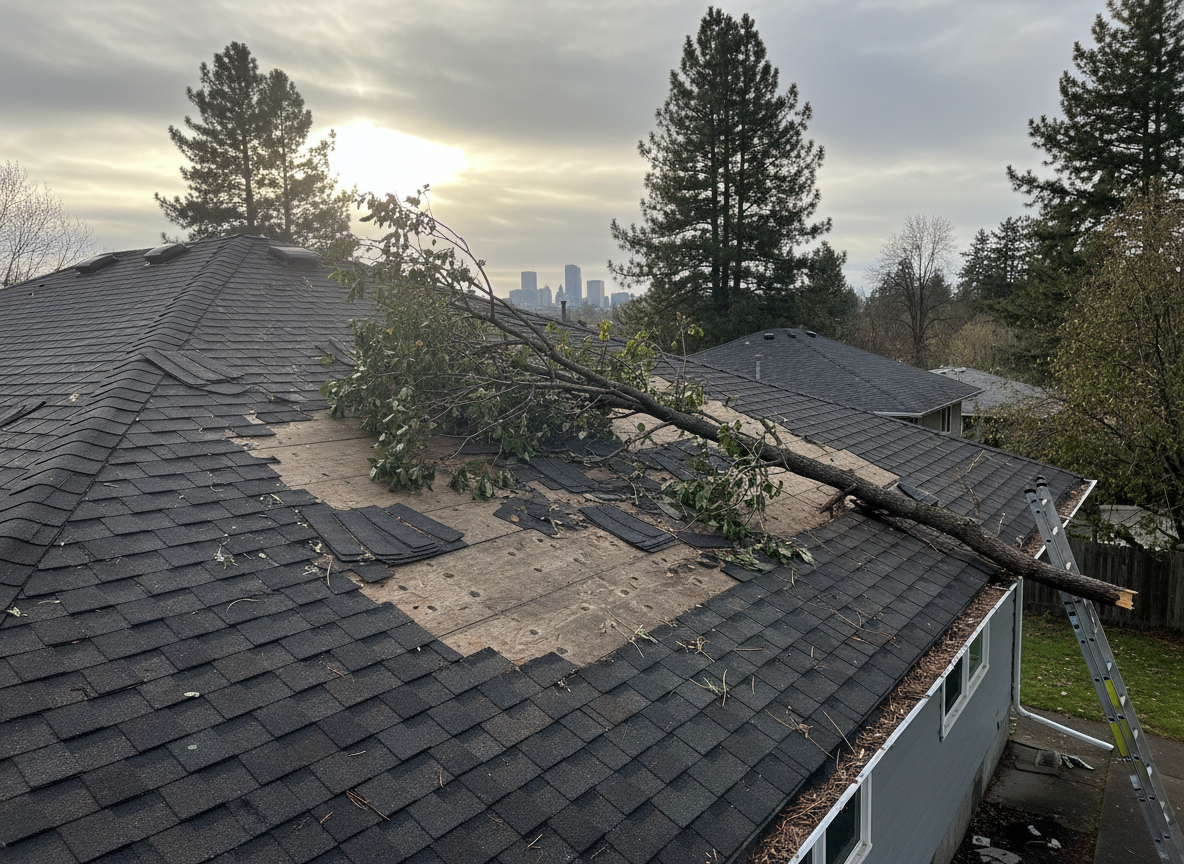
After high winds in Spokane, start by checking for missing or lifted shingles, exposed underlayment, and water stains around vents, chimneys, and skylights from the ground or a safe ladder position.
Safety First When Inspecting Your Roof
Stay off the roof if winds are still gusting or if you see dangling branches or loose debris. Use binoculars from the ground or second-story windows to spot obvious issues like torn flashing or missing ridge caps. Wear sturdy shoes and have a spotter when using a ladder. If ice remains on the roof from recent storms common in the Spokane area, wait until surfaces thaw. Never attempt to walk on damaged sections that feel spongy underfoot. These steps reduce fall risks while you gather initial observations before contacting a restoration team.
Immediate Next Steps After Wind Damage
Once the storm passes, cover any visible holes with tarps if you can reach them safely from a ladder on stable ground. Move vehicles away from areas where tree limbs might still fall. Check gutters and downspouts for clogs that could cause overflow into siding or foundations. Note the date and approximate time the winds occurred so records align with weather reports from local stations. These actions limit further water entry into the home while you prepare documentation for insurance.
Documenting the Damage
Take dated photos and videos of every affected area, including close-ups of shingles, flashing, and any interior ceiling stains. Record measurements of damaged sections and note nearby trees or structures that could have contributed debris. Store copies of these files off-site or in cloud storage. Link to a guide on document property damage for a full checklist that pairs well with your roof inspection notes.
Cleanup Priorities and Drying
Remove loose branches and leaves from gutters and the roof surface first. Focus on clearing standing water from low spots on flat sections or around skylights. Open attic vents if weather allows to promote airflow, but avoid running fans if insulation is wet. Wet drywall or ceiling materials near roof leaks need prompt attention to prevent swelling. Proper drying reduces the chance of secondary issues like mold growth in the months after a Spokane wind event.
Contamination Risks and Contents Protection
Wind-driven rain can carry pollen, dust, and debris from nearby roads or fields into attic spaces. Move furniture, boxes, and electronics away from stained ceilings or walls. Cover items with plastic sheeting if leaks continue. Check insulation batts for saturation, as contaminated material often requires full replacement rather than drying. Protecting belongings early prevents further damage while you arrange for roof storm damage repair.
Restoration Planning and Professional Help
Compare repair bids from at least two local contractors who can match existing shingle styles common in Spokane neighborhoods. Review scope details for underlayment replacement and flashing upgrades. When interior water has reached multiple rooms or structural members, storm damage repair teams bring equipment for extraction and drying. Consult the article on when professional restoration may be needed if you notice widespread ceiling damage or persistent odors after initial cleanup.