2026-08-24 ·
Water, Fire or Storm Damage: When Professional Restoration May Be Needed
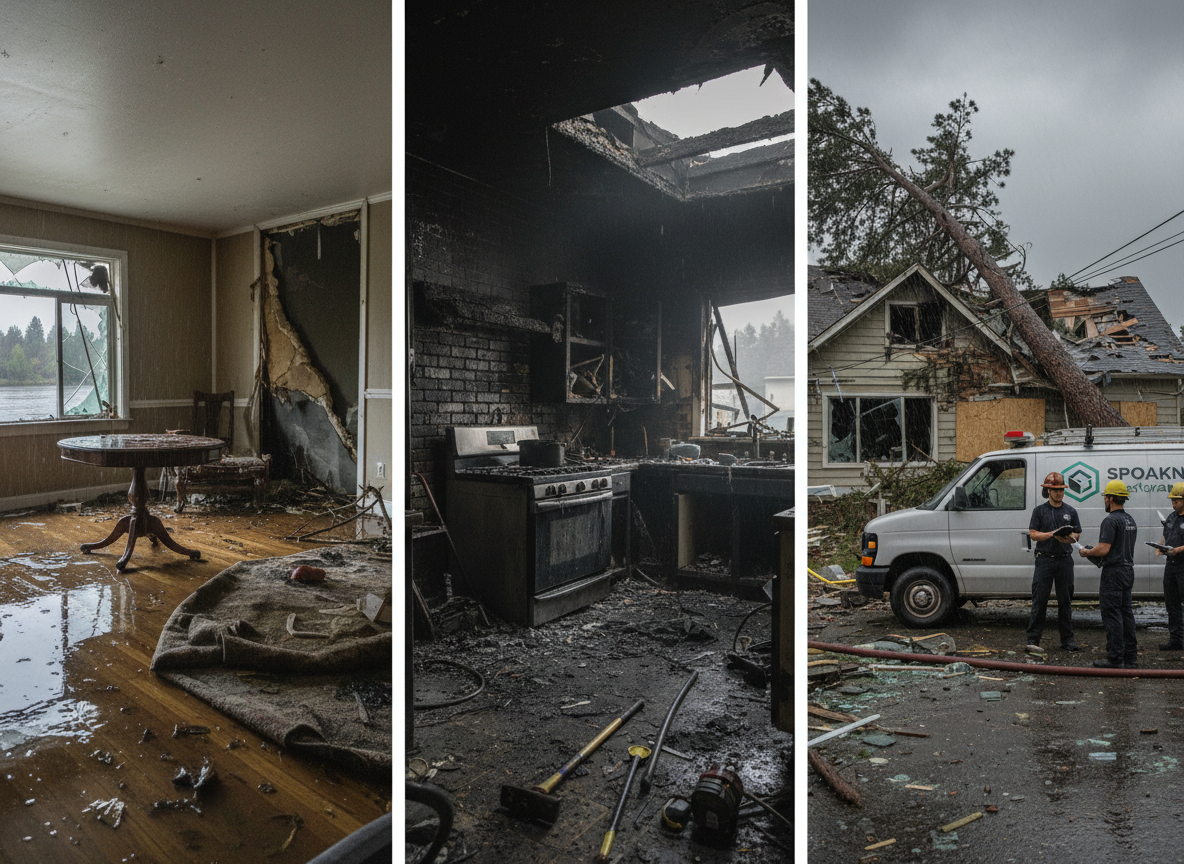
Professional restoration may be needed once damage affects structural elements, introduces contamination, or exceeds what basic household tools can safely address, such as when standing water reaches multiple inches across a basement or smoke has penetrated insulation in Spokane homes.
Assessing Immediate Safety Risks
Safety comes first after any water, fire, or storm event because electrical systems can become energized through moisture and hidden embers may reignite. Turn off power at the main breaker if it can be done without entering flooded areas, and avoid entering rooms where ceilings sag or floors feel spongy. In Spokane winters, freezing temperatures can turn leaks into ice hazards on exterior stairs or driveways. Gas lines damaged during high winds require immediate evacuation and a call to the utility provider. Personal protective equipment such as gloves, boots, and N95 masks reduces exposure to mold spores or soot particles that settle on surfaces within hours. These steps help prevent injuries while the extent of hidden damage is still unknown.
Taking the First Steps After Damage
Once the scene is safe, focus on stopping the source if possible, such as shutting off the main water valve after a burst pipe or covering broken windows with tarps following wind damage. Move lightweight valuables to higher ground or a dry room, but leave heavy furniture in place until extraction equipment arrives. Contact your insurance carrier from outside the property and request a claim number before any demolition begins. Local utility crews in Spokane often respond faster during widespread storm events, so note the time of your call and any reference numbers provided. These actions create a clear timeline that supports later decisions about whether in-house drying methods will suffice or if specialized equipment is required.
Documenting the Damage Thoroughly
Photograph every affected room from multiple angles before any cleanup starts, including close-ups of baseboards, carpet edges, and electrical outlets. Video walkthroughs that capture the sound of running water or the smell of smoke through narration provide additional context for adjusters. Keep a written log noting the date, time, and weather conditions at discovery, especially useful after regional storms that hit areas like South Hill or Spokane Valley. Store all images on a cloud service rather than a single device that could be lost in further flooding. This record becomes essential when deciding whether contents can be cleaned on site or must be moved for professional contents restoration.
Prioritizing Cleanup and Protecting Contents
Begin with non-porous surfaces that can be wiped down quickly, then isolate porous materials such as drywall or carpet that absorb water within the first 24 hours. Place plastic sheeting over undamaged belongings in adjacent rooms to limit soot migration after a kitchen fire. In Spokane’s dry summers, rapid airflow from open windows can help, yet it also risks spreading particles if smoke odor lingers. Separate clothing and documents into sealed bins rather than attempting full drying at home, because residual moisture often leads to mildew within days. These priorities clarify when the scope exceeds typical homeowner resources and points toward services such as water extraction or structural drying.
Managing Drying and Contamination Risks
Standing water left for more than 48 hours frequently supports bacterial growth, particularly in older Spokane homes with finished basements. Industrial air movers and dehumidifiers maintain negative pressure that prevents spores from traveling through HVAC ducts. After fire events, alkaline residues from burned materials can etch hardwood floors if not neutralized promptly. Sewage or floodwater introduces additional pathogens that require containment barriers and disposal protocols beyond standard cleaning supplies. Monitoring moisture levels with a meter reveals pockets behind cabinets or under subfloors that surface fans alone cannot reach, guiding the choice between continued DIY efforts and professional intervention.
Planning for Full Restoration
Restoration planning starts with a written scope that lists which materials will be removed, which will be dried in place, and which will receive antimicrobial treatment. Electrical and plumbing inspections often follow once walls are opened, especially after storm damage that may have compromised roof flashing or foundation seals. Homeowners in neighborhoods such as Liberty Lake or Five Mile Prairie sometimes coordinate with neighbors for shared equipment access during widespread events. Final verification includes checking humidity readings below 50 percent and confirming that odors have been eliminated rather than masked. This structured approach reduces the chance of recurring issues months later.
Deciding When Professional Help Is Needed
Professional help becomes appropriate when drying times exceed four days, when visible mold appears on multiple surfaces, or when smoke has discolored surfaces beyond simple wiping. Insurance carriers may also require licensed contractors for claims involving structural members or Category 3 water. Spokane Damage Repair can evaluate hidden moisture with thermal imaging and provide a detailed drying plan that aligns with policy requirements. Homeowners who attempt full restoration alone often discover that incomplete drying leads to larger repairs later, making early assessment a practical step toward complete recovery.