2026-08-24 ·
How to Document Property Damage Before Cleanup and Repairs
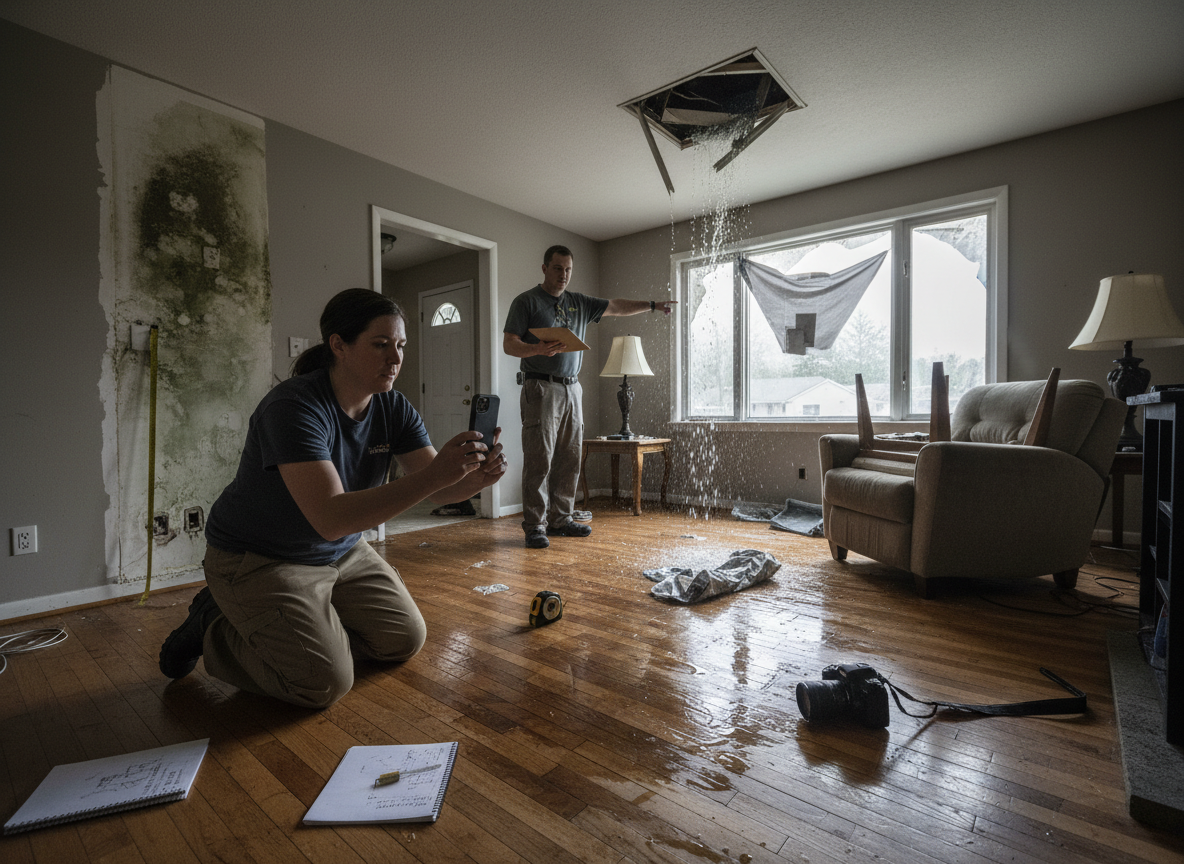
Documenting property damage thoroughly before any cleanup or repairs starts requires systematic photos, written notes with dates and times, and a detailed inventory of affected areas and items. This record supports insurance claims and helps restoration teams understand the full scope in Spokane homes and businesses.
Safety Precautions
Before touching anything, turn off electricity at the breaker if water is present and avoid entering rooms with visible mold, sewage, or structural shifts. Wear gloves, boots, and a mask to limit exposure to contaminants common after Spokane storms or frozen pipes. Check for gas odors and open windows for ventilation only if it is safe to do so. Keep children and pets out of the area until hazards are assessed. These steps protect you while you gather the documentation needed for later decisions.
Immediate Next Steps
Stop the source of damage when it is safe, such as shutting off a valve after a burst pipe. Move any unaffected valuables to a dry location inside the property if possible. Contact your insurance company to report the incident and ask what documentation they require. Avoid starting cleanup until photos and notes are complete so the original condition remains clear for adjusters and contractors.
Thorough Documentation
Take wide-angle photos of each room and close-ups of specific damage, including floors, walls, ceilings, and personal items. Record the date, time, and weather conditions in a notebook or phone app. List every affected item with descriptions and approximate values. Include measurements of water lines or soot patterns. Store copies of all images and notes in a cloud backup so they remain accessible even if the property loses power.
Cleanup Priorities and Drying
Focus first on removing standing water with extraction equipment to limit further absorption into subfloors and walls. Open windows and use fans only after documentation is finished. Monitor moisture levels in affected materials with a meter if one is available. In Spokane winters, unheated spaces can slow drying, so plan for extended airflow once records are secured. Proper drying prevents secondary issues like mold growth that can appear days later.
Contamination Risks and Contents Protection
Separate salvageable items from those exposed to sewage or heavy smoke and bag them for later review. Avoid mixing clean and contaminated belongings. Cover furniture with plastic sheeting only after photos are taken. In areas like South Hill, older homes may contain additional hidden materials that require careful handling. Keep a separate log of any items moved or discarded so the record stays complete for insurance purposes.
Restoration Planning and Professional Help
Review your documentation against the insurance adjuster’s findings to create a prioritized repair list. When damage involves structural elements, widespread mold, or electrical systems, professional assessment is often the next step. See Water, Fire or Storm Damage: When Professional Restoration May Be Needed for guidance on those situations. For water-related losses, review What to Do After Water Damage in Your Spokane Home and consider water damage restoration services that handle extraction, drying, and contents care.