
2026-08-24 ·
What to Do After Water Damage in Your Spokane Home
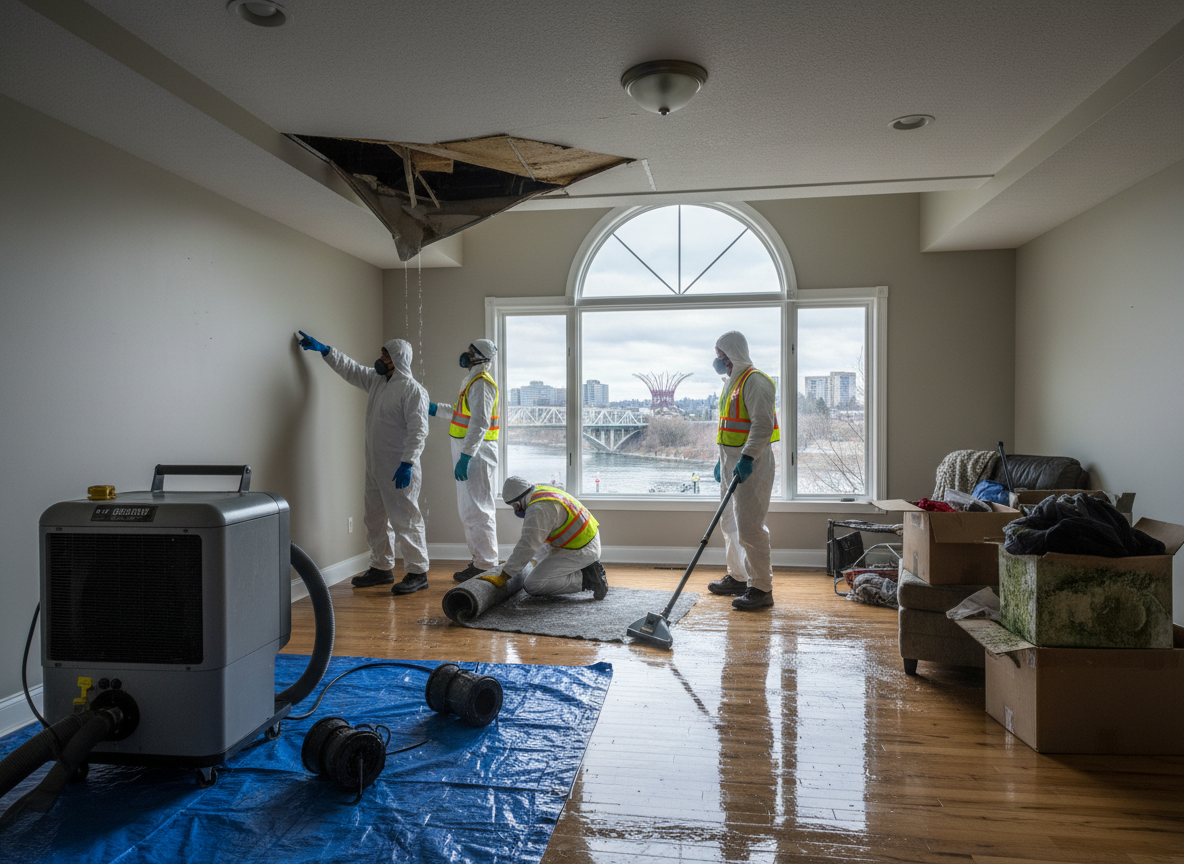
After water damage in your Spokane home, prioritize safety by shutting off electricity to affected areas if water is near outlets or appliances, stop the water source if possible, and remove standing water quickly to limit secondary issues. These actions reduce risks of electrical hazards and mold growth that can appear within 24 to 48 hours in the region's variable climate. Contact a restoration team for extraction and drying once the immediate threats are addressed.
Prioritize Safety First
Water damage often creates electrical and slip hazards that require immediate attention before any cleanup. Turn off power at the breaker if standing water reaches outlets, light switches, or baseboards, and avoid entering rooms until the area is confirmed safe. In Spokane winters, frozen pipes that burst can mix with snowmelt, increasing contamination levels and making floors icy. Wear rubber boots and gloves during initial inspection to avoid contact with potentially soiled water. Families with children or pets should relocate them to dry sections of the home until the affected zones are cleared.
Stop the Water Source and Document Damage
Locate and shut off the main valve or affected fixture to prevent additional flooding from burst pipes or appliance leaks common in older Spokane neighborhoods. Once the flow stops, photograph every affected surface, item, and water line from multiple angles before moving anything. This record supports insurance claims and helps restoration crews understand the full scope. How to document property damage before cleanup and repairs offers a clear process for organizing these photos and notes. Keep a written timeline of when the issue was discovered and what rooms were impacted.
Extract Water and Begin Drying
Standing water must be removed promptly using pumps or wet vacuums to protect subfloors and wall cavities typical in Spokane homes. After extraction, place air movers and dehumidifiers to pull moisture from carpets, drywall, and insulation before it migrates to adjacent rooms. Water damage restoration crews bring commercial equipment sized for local homes that standard household fans cannot match. Monitor moisture levels in wood framing and concrete slabs, especially in basements along South Hill or Spokane Valley where humidity lingers. Proper drying prevents warping and hidden mold that can appear weeks later.
Address Contamination and Protect Contents
Water that has contacted sewage, drywall mud, or outdoor debris carries bacteria that requires specialized handling beyond basic cleanup. Separate salvageable items such as clothing, documents, and furniture and move them to a clean, dry area for later assessment. Contents restoration teams can clean and store these items while structural work proceeds. Avoid using household cleaners on contaminated surfaces, as they may not neutralize pathogens found in flood or sewage backups common after heavy regional rains.
Plan Restoration and Seek Professional Help
Once the structure is dry, inspect for hidden damage behind baseboards and under flooring that DIY methods often miss. When professional restoration may be needed outlines signs that indicate full-scale help is appropriate, such as widespread saturation or HVAC involvement. A restoration plan should include material replacement, odor removal, and final verification that moisture readings have returned to normal levels. Owner-operated crews familiar with Spokane building styles can coordinate with insurers and schedule work around occupied homes without unnecessary delays.