
2026-09-24 ·
How to Protect Your Spokane Home From Storm Damage and Water Intrusion
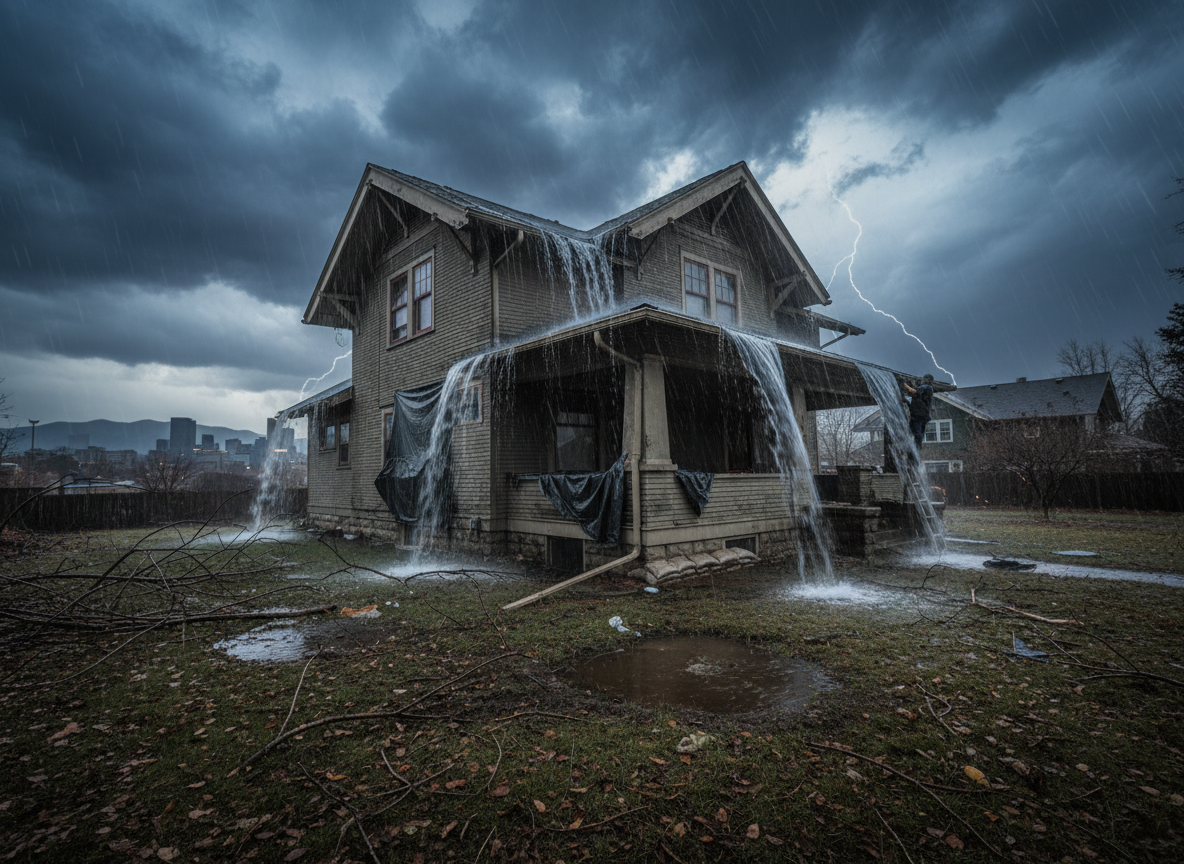
Protecting a Spokane home from storm damage and water intrusion starts with sealing roof edges and clearing gutters before heavy weather arrives, then following a clear sequence of safety checks, water removal, and drying once intrusion occurs. Homeowners in areas like South Hill or Spokane Valley can reduce secondary problems by acting within the first hours after rain or wind events.
Prioritize Safety During and After the Storm
Spokane storms often bring strong winds and sudden downpours that can dislodge shingles or flood basements along the Spokane River corridor. Turn off electricity at the main panel if standing water reaches outlets or appliances to avoid shock hazards. Wear rubber boots and gloves when entering affected rooms, and watch for sagging ceilings that may collapse under collected water weight. Avoid entering attics during active rainfall because hidden structural members can fail without warning. Once the immediate threat passes, ventilate the space only after confirming no gas leaks or electrical shorts remain. These steps keep occupants safe while preventing minor leaks from turning into larger structural failures common in older North Side homes.
Take Immediate Next Steps to Prevent Further Intrusion
Move furniture and electronics away from windows or exterior walls where wind-driven rain typically enters. Place buckets or tarps under active drips in attics or upper floors to limit spread to lower levels. If wind has broken a window, cover the opening with plywood stored in a garage rather than plastic sheeting that tears quickly in gusts. Check crawl spaces and basements for seepage points around foundation walls, especially in neighborhoods like Liberty Lake where clay soils hold moisture longer. Redirect downspouts away from the foundation if they currently empty against siding. These actions stop additional water from entering while the storm continues or while waiting for daylight to inspect the roof.
Document Everything Before Any Cleanup
Photograph every wet surface, stained ceiling, and displaced item from multiple angles with timestamps enabled on the camera. Note the date, time, and weather conditions in a written log that can later support insurance claims. Include close-ups of water lines on walls and any affected electrical outlets or HVAC registers. Store copies of these records off-site or in cloud storage before beginning removal work. This record becomes essential when deciding whether to handle minor surface drying or contact specialists for storm damage repair.
Focus on Drying and Contamination Risks
Remove standing water with a wet-dry vacuum within the first 24 hours to limit mold growth on wood subfloors common in Spokane construction. Run dehumidifiers set to 45-50 percent relative humidity and place air movers to create cross ventilation across wet carpet or hardwood. Pay special attention to insulation in exterior walls because trapped moisture leads to hidden rot that appears months later. Test for sewage backup in lower levels near older sewer lines in areas such as Hillyard, and isolate those zones until testing confirms safety. Proper drying prevents musty odors and structural weakening that can affect load-bearing beams in homes built before 1980.
Protect Contents and Plan Restoration
Elevate boxes, clothing, and paper goods onto plastic shelving or tables to keep them above any remaining damp floors. Wipe metal tools and appliances with a rust-preventive spray before storing them. For upholstered furniture that has wicked water, tag each piece with its original location so restoration crews can match items to rooms later. Review the full extent of damage against your policy limits and decide whether to attempt surface cleaning or schedule water damage restoration. Homeowners who reach this stage often review the article on what to do after water damage in your Spokane home for additional checklists.
Determine When Professional Help Is Appropriate
Call a restoration team when water has reached more than one level of the home, when electrical systems are compromised, or when visible mold appears within 48 hours. Properties with finished basements or complex HVAC ductwork benefit from equipment that homeowners rarely own, such as moisture meters and commercial air scrubbers. If the storm also caused wind damage to the roof structure, coordinate with a contractor experienced in storm damage cleanup before interior drying begins. Early involvement of professionals reduces the chance that hidden moisture will require later demolition in walls or under floors.